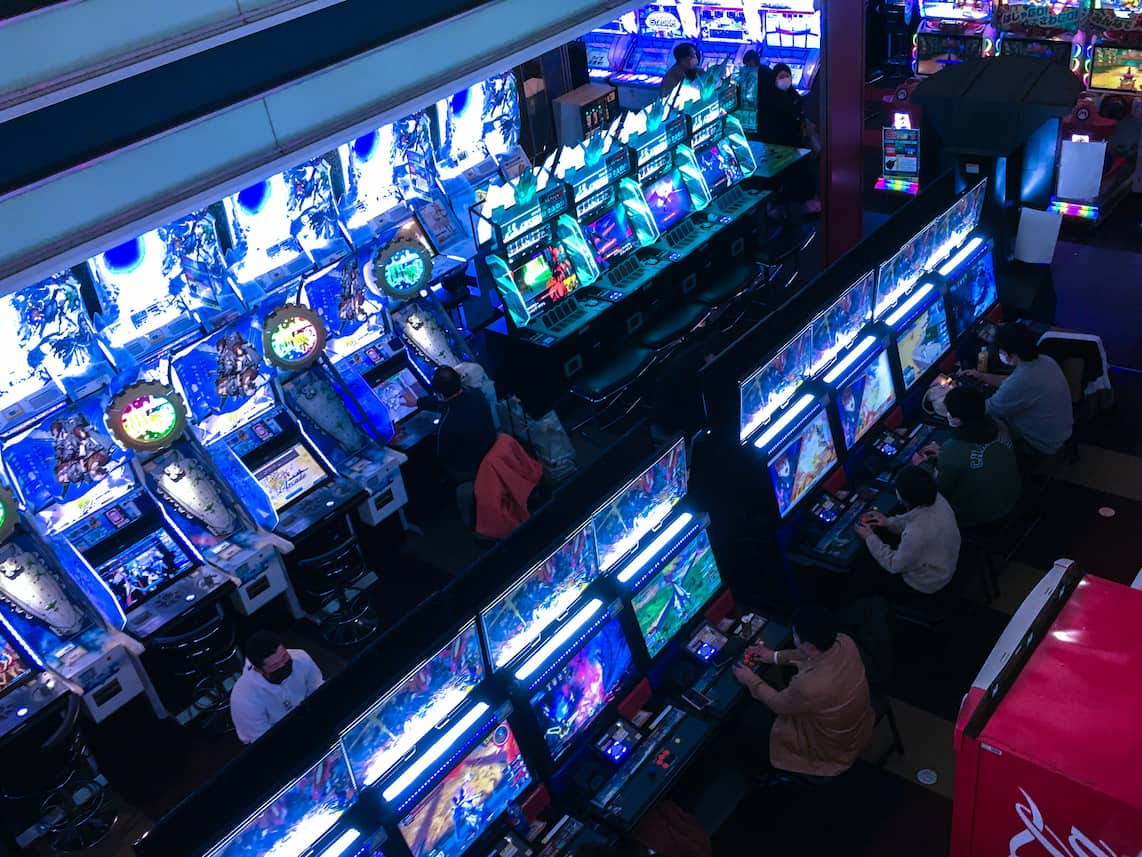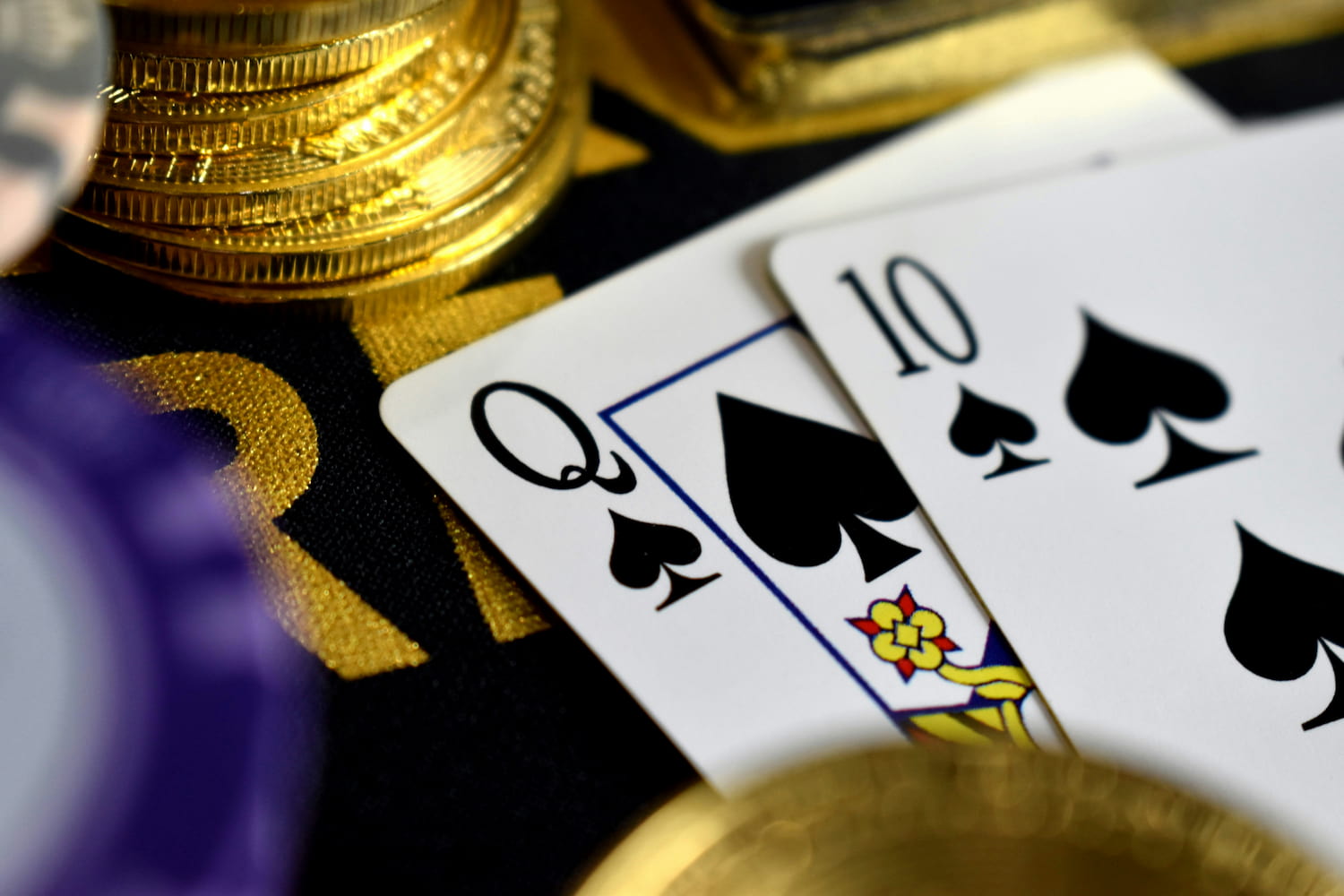
If you enter a casino, whether it be a real one or an online one like TonyBet casino, the same thing would be interesting to watch. There are numerous players, and each of them has a particular number that he swears by. These numbers might be anything from seven to thirteen, or even the player’s birthday. Such numbers seem to be personal and unique, and for most of the gamblers, they are like charms. But the questions are whether or not they are indeed lucky or it is just the case that something else is going on?
Well, in reality, lucky numbers are more like a psychological placebo kind of thing. Players will be thinking that these numbers are helping them win more, but in fact, the players’ disbelief is the only thing that their win is depending on. That little increase in belief can be seen in the players’ playing style, their duration of stay in the casino, and the amounts they are willing to risk too.
The Hidden Power of Belief
Humans are wired to find patterns and meanings, especially when luck and chance are involved. When someone wins using their lucky number, that event gets stored in memory as proof that the number works. Losses, on the other hand, are brushed aside as bad luck. This selective memory strengthens the emotional bond between the player and the number.
In casino settings, belief often matters more than facts. When a player feels “in sync” with their lucky number, they make decisions with more confidence. This mental comfort can create a sense of control in a game that’s entirely based on chance. Even though there’s no scientific link between numbers and outcomes, the placebo effect keeps players emotionally invested.
How Casinos Subtly Encourage It
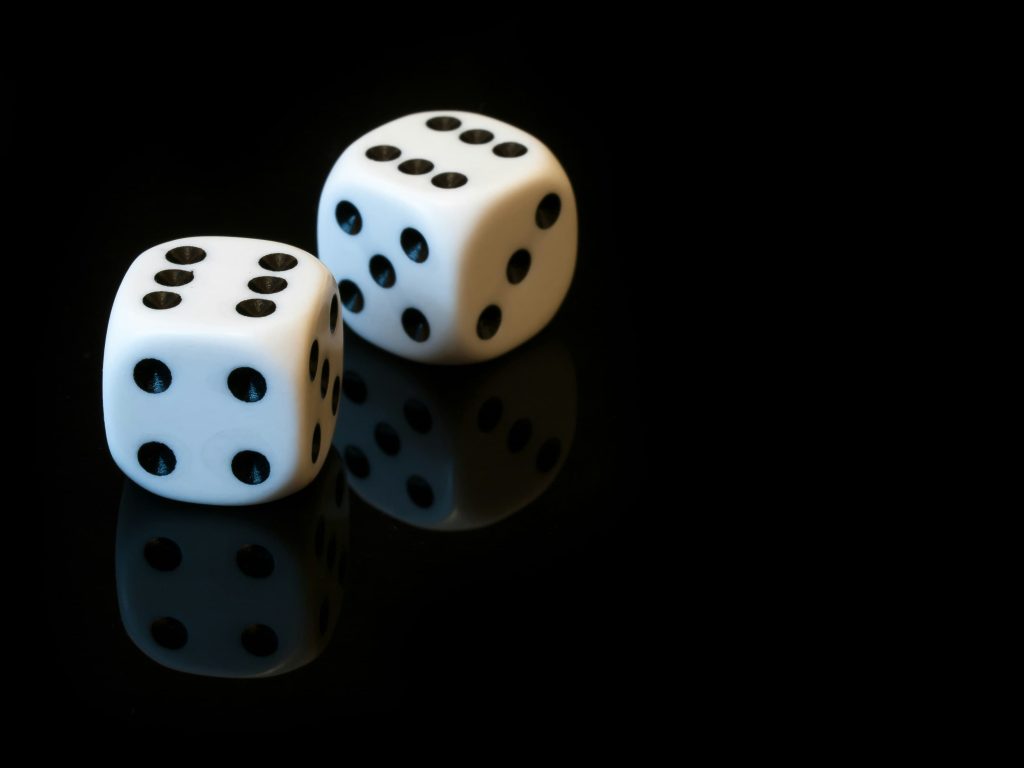
Casinos realize how strong these beliefs are, and that is the reason why slot machines, roulette tables, and betting options with certain numbers or symbols are always so prominent. The number seven is very common as it is recognized among the different cultures as a lucky number. The design is purposeful, it is based on the players’ beliefs.
Even in online platforms, software designers know that players tend to gravitate toward their personal symbols of luck. This keeps them engaged longer and returning to chase that next “lucky” win. The system doesn’t have to prove the luck; it only has to reinforce the feeling of it.
The Emotional Side of Winning and Losing
When players win after betting on their lucky numbers, the victory feels more personal. It feels like a reward for their faith rather than pure chance. That emotional satisfaction can make even small wins feel significant. It builds a story of success that players carry into future games.
When they lose, many don’t see it as proof that luck failed. Instead, they believe their number will “come around next time.” This mindset keeps them playing, feeding the emotional loop that casinos thrive on. The placebo of belief makes losses softer and wins brighter.