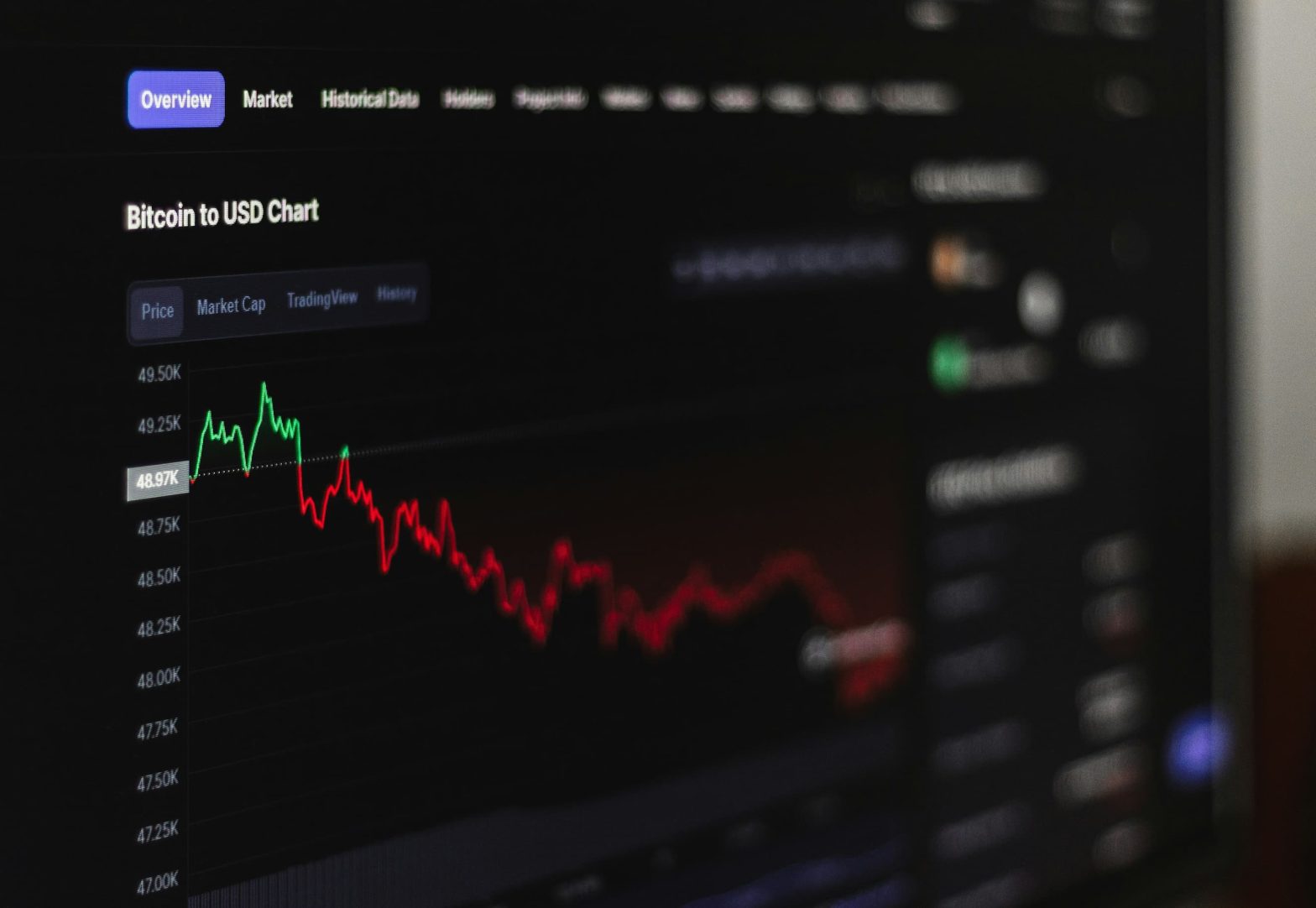
Markets move fast. A single headline can send prices flying or crashing in seconds. Whether it’s a surprise interest rate cut, a major hack, or a celebrity tweet, traders rush to guess what comes next. Some turn this chaos into a game of prediction, betting on short-term movements that follow unexpected news. It’s risky, thrilling, and increasingly popular in both stock and crypto trading on platforms like 22Bet.
The Logic Behind the Madness
Every market reacts to information, but not all information is expected. When something catches traders off guard, volatility spikes. Those who can read sentiment quickly, before algorithms and analysts, stand a chance to profit. It’s not about knowing the future. It’s about anticipating how others will react. In essence, betting on market reactions is less about news itself and more about timing human emotion.
How Prediction Markets Work
Prediction markets let people bet on outcomes like “Will Bitcoin drop below $60,000?” or “Will Tesla rise 5% this week?” As more people place bets, the odds change. These shifts often match real market moves, showing how the crowd expects things to play out. It mixes money, mindset, and luck.
Stocks, Crypto, and Speed
The biggest difference between stock and crypto markets is reaction time. Stocks move fast during trading hours, but crypto never sleeps. News breaks at 2 a.m., and Bitcoin responds instantly. That’s why prediction betting is so active in crypto spaces. Traders use bots, alerts, and AI tools to spot early reactions. In both markets, the first few minutes after a headline often define the winners and losers.
Examples of Unexpected Market Shocks
History is full of moments that moved markets overnight. When Elon Musk tweeted about Bitcoin’s energy use, the price dropped nearly 20% in a day. When unexpected inflation data hit the U.S. economy, stock indexes swung wildly. Even smaller events, like product recalls or government bans, can cause temporary waves. These shocks create ideal conditions for prediction-based wagers, where every tick can mean profit or loss.
The Psychology of Reaction Betting
Predicting reactions isn’t just about numbers. It’s about crowd behavior. Traders often overreact to bad news and underreact to good news. Betting successfully means reading those emotions. Fear, greed, and uncertainty move markets faster than logic. That’s why sentiment analysis tools, which track keywords, tone, and trending phrases online, are becoming as valuable as financial charts in this niche.
Platforms Fueling the Trend
Several online platforms now let users bet on financial events without owning assets. Some focus on crypto prices, others on stock indexes or economic reports. They resemble sports betting apps, but for finance. You can wager on whether gold will rise after a war announcement or if Ethereum will bounce after a software upgrade. The appeal lies in simplicity: you don’t need to trade, just predict.
The Role of Algorithms and AI
Machines now play a major role in short-term reaction predictions. Algorithms analyze millions of data points per second, tweets, news headlines, and even government press releases, to forecast price shifts. Some AI systems can detect tone changes in public statements before humans notice. For bettors, these tools act like turbocharged instincts. Yet, technology also means competition. When everyone uses similar systems, the advantage becomes fleeting.
Why Crypto Traders Love Volatility
Crypto’s constant motion is both its danger and appeal. For bettors, the lack of market closure means endless opportunity. Sudden bans, influencer comments, or exchange outages can shift prices by double digits. Predicting these movements becomes a high-stakes game, combining real analysis with gut instinct. It’s gambling, but wrapped in the language of finance.