In horse racing, even the smallest detail can make a big difference. One thing most people overlook is the change of a jockey. The jockey is more than just the person riding the horse. They guide speed, control timing, and manage every move during a race. A skilled jockey can lift a horse’s performance, while a mismatch can ruin the best chances.
That’s where the betting value comes in. Many bettors focus only on the horse but forget who’s on its back. When a top rider takes over, it can completely change the odds. Betting sites like 22Bet Kenya make it easy to track those changes before race day.
The Connection Between Horse and Jockey
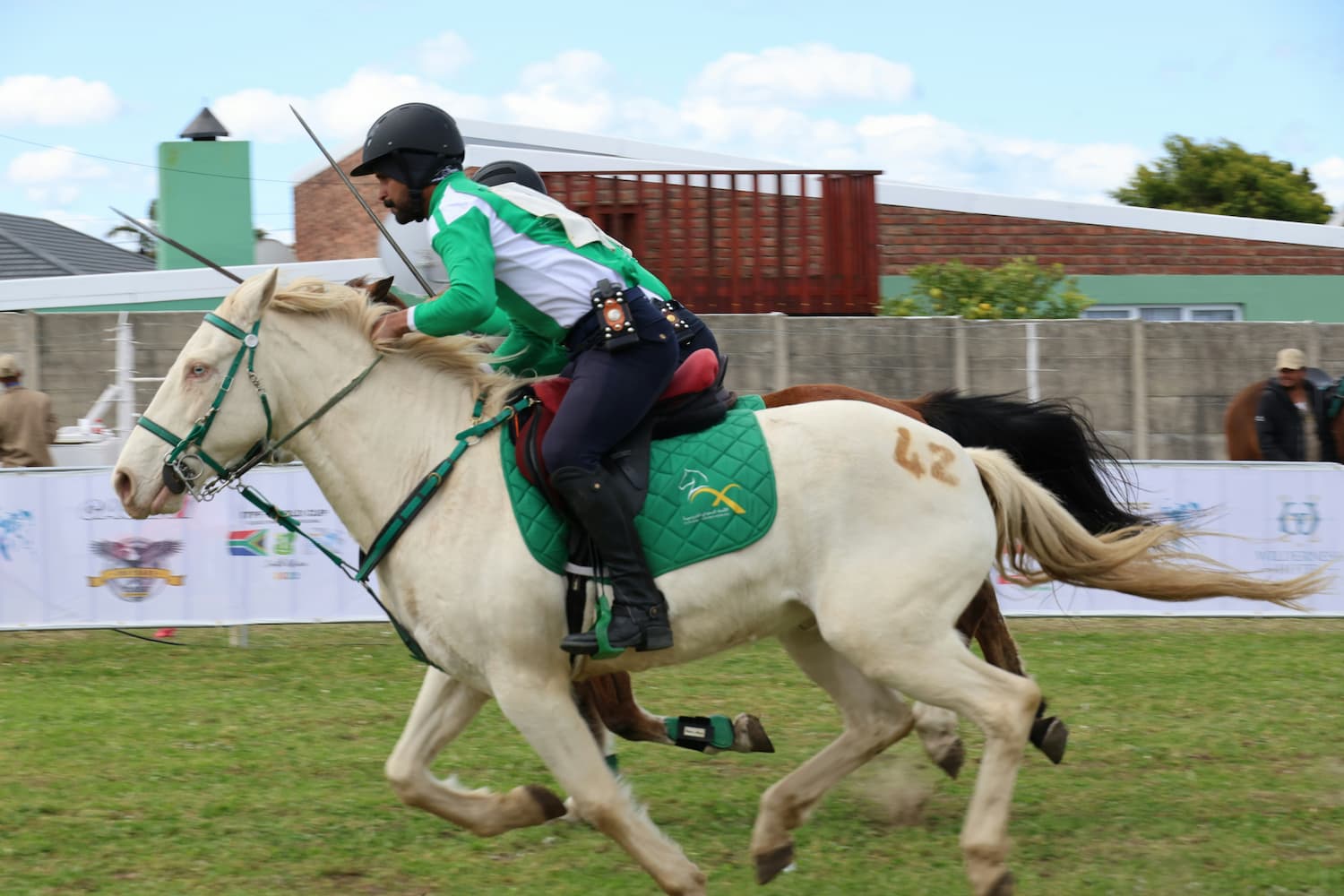
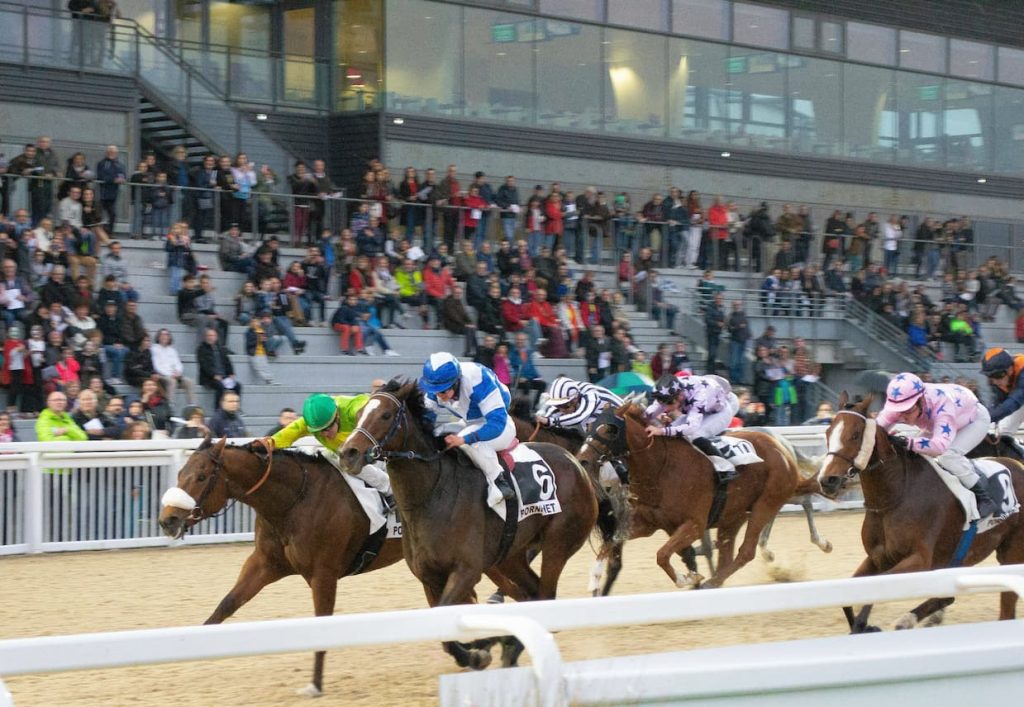
Horses have, just as humans, their peculiarities and pluses and minuses. The same way, some horses love galloping quickly at the start, while others prefer to wait and then strike just before the end. An experienced jockey will be able to read the horse correctly and help the horse to show its best side. When the same jockey rides a horse frequently, they form a bond of trust and rhythm, which is reflected in the horse’s performance.
On the contrary, when a new rider takes over, that connection is broken. This may be a cause of difficulties at times but on other occasions, it may be the horse’s lucky break. Those who bet and are aware of these changes can frequently identify the value before the market operates.
What Bettors Should Look Out For
Not every jockey change implies the same thing. If a trainer substitutes a novice jockey with a leading rider, it frequently indicates a significant effort to win. However, if a leading jockey withdraws suddenly, that should be a point of questioning.
Typically, trainers continue to work with the riders they have confidence in, so a switch is always a good opportunity for questioning. Moreover, look into the new jockey’s performance regarding that specific track or weather. Some riders are great on heavy ground or short sprints. These small details can turn into betting gold if noticed early.
How to Find Value in the Odds
Bookmakers react mostly to where the money goes, not to small signals like a jockey swap. That’s why early research helps. Spotting a positive change before others means you can lock in better odds.
Nonetheless, it is not the case that every single alteration elevates performance. At times, a fresh jockey simply fails to resonate with the horse. This is exactly why you have to analyze previous races, pay attention to trainer tendencies, and apply rational thinking instead of random guessing. The amount of information you possess determines the power of your bets.
How Timing Affects Jockey Changes
Timing plays a big role in how a jockey change impacts a race. When a switch happens days before the event, it often means the trainer planned it carefully, aiming for a better fit or fresh strategy. But when a change happens at the last minute, it might signal an issue such as injury, illness, or travel problems. Bettors should look closely at when and why the replacement occurred. Early, strategic changes usually mean confidence, while sudden swaps can hint at uncertainty. Understanding this timing helps punters read between the lines and find better betting value.
The Key Takeaway
A jockey change can quietly shape the story of a race. It tells you about the trainer’s confidence, the horse’s condition, and the overall plan. Bettors who read between the lines know this is where hidden value hides.
So before your next bet, take a second look at the race card. A simple switch in jockeys could mean more than it seems. That one small change might just lead to your next smart win.